Laser Resurfacing
Laser skin resurfacing splits into two families. Ablative lasers remove tissue at the skin surface — fractional CO₂, and Er:YAG at 2940nm. Non-ablative lasers pass through the epidermis and deposit their energy beneath it, leaving the surface intact — 1927nm thulium for superficial pigment and 1550nm Er:Glass for deeper remodelling. The platforms below cover both, from a multi-mode CO₂ console that runs fractional, ablative and surgical modes to a dual-fibre non-ablative system with no shot limit per procedure. They are bought by dermatology and cosmetic clinics, med spas and physician-led practices treating wrinkles, acne scarring, sun damage, pigmentation and texture. Every platform is quoted in writing — specification sheet, lead time, freight and total landed cost — with clearance documentation supplied with the quote. No device page publishes a downtime figure and we will not invent one: downtime depends on mode, depth, density and the protocol chosen at the chair.
Regulatory clearance is granted per device model, not per company. Every platform's status is stated on its own page and confirmed in writing before purchase. See how clearance works.
The platforms
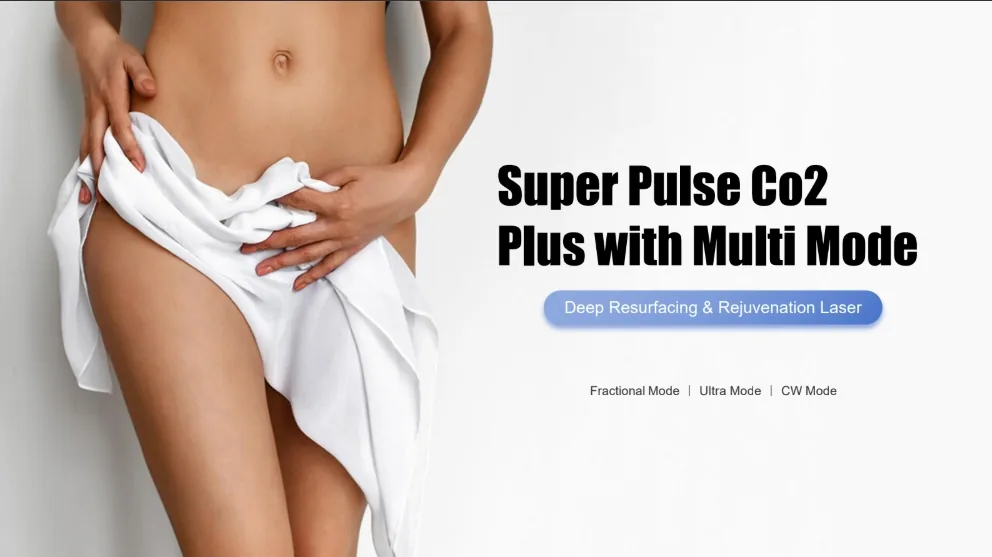
Fractional CO₂ resurfacing with multiple modes in one platform.
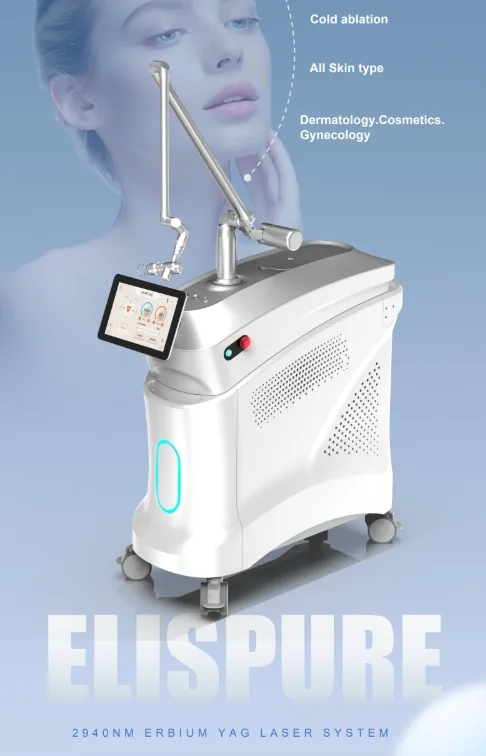
Precision ablative resurfacing with a faster healing curve.
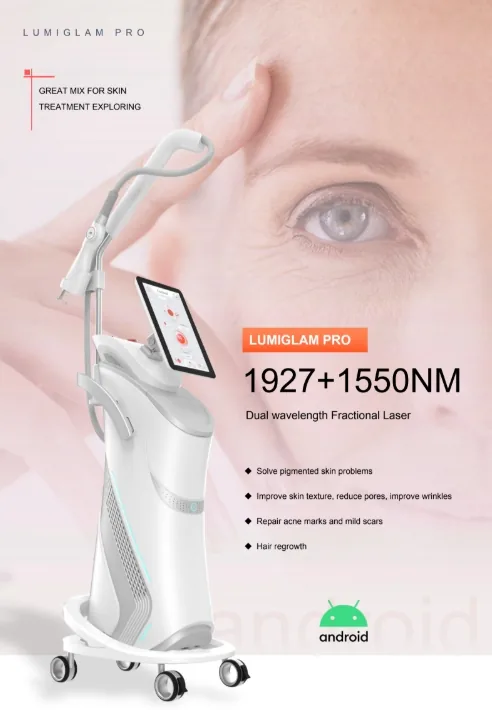
Two fractional wavelengths — pigment on top, texture underneath.
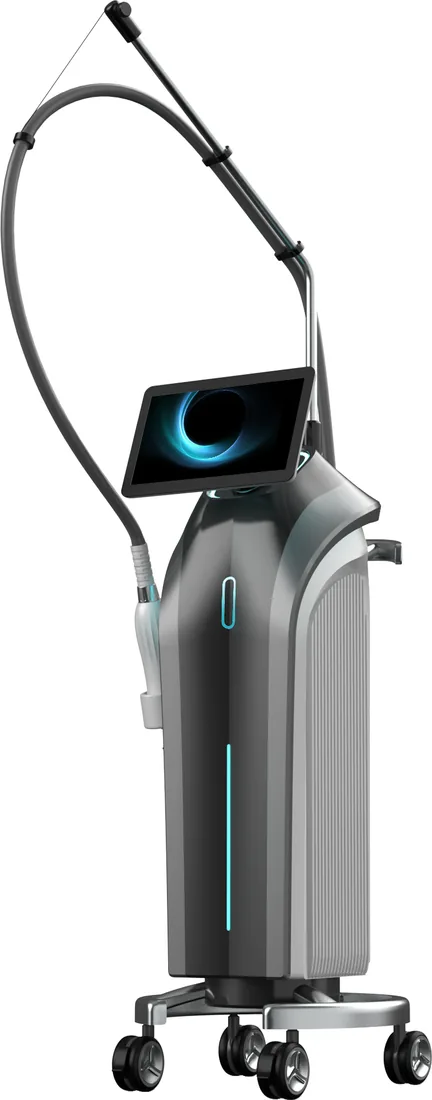
Non-ablative dual-fibre resurfacing, deep and superficial in one pass.
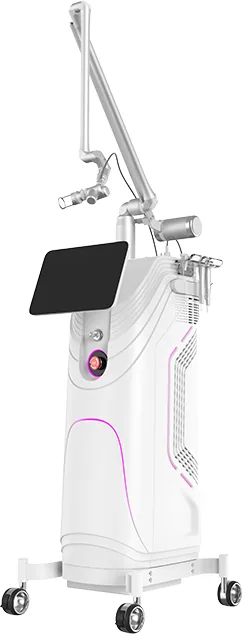
Ultra-pulse CO₂ with CW, pulsed, ultra and fractional modes.
How to choose
Ablative and non-ablative platforms answer different questions. These are the conditions under which each one is the right purchase, taken from the published specifications.
Read the full comparison: Ablative CO₂ vs non-ablative thulium and Er:Glass →
Questions
Questions about buying, quotes, warranty and lead times are answered on the full FAQ.
Ablative lasers remove tissue at the skin surface; non-ablative lasers pass through the epidermis and deposit energy beneath it, leaving the surface intact. The Super Pulse CO₂ Plus is ablative and runs fractional, ablative and surgical modes. The thulium and Er:Glass platform is non-ablative on both fibres, uses continuous motion tracking, and carries no shot limit per procedure.
Neither device page publishes a downtime figure and we are not going to invent one — downtime depends on mode, depth, density and the protocol chosen at the chair. What the catalog does state is that Er:YAG at 2940nm on the ElisPure is generally faster-healing than traditional resurfacing lasers, which is exactly why it exists as a third option alongside these two.
Yes, on the non-ablative side. The 2-in-1 pairs 1927nm thulium for superficial pigment work with 1550nm Er:Glass for deeper remodelling, so one device covers both ends of a resurfacing plan. The LumiGlam Pro offers the same wavelength pairing. The CO₂ platform instead tunes depth and density across several modes on a single ablative wavelength.
Also useful
Laser skin resurfacing machines
Specification sheet, clearance documentation, lead time, freight and total landed cost — nothing buried.
 USBio
USBio